
Scoliosis Chiropractic in Singapore
Scoliosis, a sideways curvature of the spine, can impact individuals of all ages. While its cause often remains unknown, the effects can range from mild discomfort to significant postural changes and pain. When it comes to managing scoliosis, chiropractors may suggest taking a proactive approach, utilising chiropractic techniques to help improve spinal alignment, reduce pain, and enhance overall well-being.


What is Scoliosis?
Scoliosis is a condition where the spine curves sideways, often forming an “S” or “C” shape when viewed from behind. It can develop during childhood or adolescence, though some adults may also notice changes in spinal alignment later in life. In many cases, the curve is mild and may not cause obvious symptoms at first.
As the spine shifts, some individuals experience uneven shoulders, changes in posture, muscle tightness, or discomfort during prolonged sitting or standing. People exploring scoliosis care in Singapore often want to understand how spinal movement, posture habits, and daily routines may influence their symptoms. Through our chiropractic services, individuals receive guidance tailored to their spinal structure and comfort levels, with care plans shaped around practical, everyday needs.
Types of Scoliosis and How They May Affect Care
Scoliosis is not a single condition with one cause or treatment pathway. Different types can develop at different stages of life and for different reasons, which is why scoliosis and chiropractic care should begin with an appropriate assessment rather than assuming every spinal curve can be managed in the same way. Chiropractic Studio identifies four main types of scoliosis: idiopathic, congenital, neuromuscular, and degenerative.
Idiopathic Scoliosis
Idiopathic scoliosis is the most common type, accounting for about 80% of cases. The exact cause is unknown, although genetic factors may play a role. It can be further classified by the age at which it develops, including infantile, juvenile, adolescent, and adult scoliosis.
For people seeking scoliosis care in Singapore, age and stage of skeletal development can be important considerations, particularly in younger patients whose spinal curves may still change as they grow.
Congenital Scoliosis
Congenital scoliosis develops before birth as a result of vertebrae that do not form normally during foetal development. It may be identified during infancy or later in childhood, and the visible asymmetry can become more noticeable as a child grows.
Since this form of scoliosis is linked to structural differences in the spine, care may involve ongoing medical monitoring and other interventions depending on the severity and progression of the curve.
Neuromuscular Scoliosis
Neuromuscular scoliosis is associated with conditions that affect the muscles and nerves supporting the spine, including muscular dystrophy, cerebral palsy, and spina bifida. Weakness in the muscles that stabilise the torso can allow spinal curvature to develop or progress.
Management is therefore influenced by the underlying neuromuscular condition as well as the spinal curve itself. Chiropractic care, where considered appropriate, should form part of a broader care approach rather than replace medical management of the underlying condition.
Degenerative Scoliosis
Degenerative scoliosis, sometimes referred to as adult-onset scoliosis, develops as age-related changes affect the joints, discs, and supporting structures of the spine. It is more commonly seen in older adults and may be associated with changes in posture, reduced mobility, stiffness, and back pain.
For adults considering scoliosis and chiropractic care, the chiropractor may assess spinal movement, discomfort, mobility, and other age-related changes before deciding whether adjustments or supportive exercises are suitable. The type and severity of scoliosis remain important factors when determining the most appropriate care pathway.
What Are the Common Symptoms of Scoliosis?
Scoliosis can present differently from person to person. Below are some of the more commonly observed signs.
Visible spinal curvature
You may notice a curve in your spine that forms a “C” or “S” shape when viewed from behind. This can become more apparent when you bend forward or stand upright for longer periods.
Uneven shoulders or hips
One shoulder or hip may appear higher than the other. You might find that clothing sits unevenly or that your posture feels slightly shifted to one side.
Prominent shoulder blade
A shoulder blade may protrude more on one side, especially when your arms are relaxed. This difference can sometimes be subtle but noticeable over time.
Back pain or discomfort
Although scoliosis does not always cause pain, you may experience back pain after sitting, standing, or carrying weight for extended periods.
Muscle tightness or fatigue
Muscles on one side of your back may feel tighter or become fatigued more quickly as they work to support the curved spine.
Reduced flexibility or range of motion
You might notice stiffness when twisting, bending, or reaching. Reduced ease of movement can affect daily routines and physical activity.
Breathing difficulties in more severe cases
In more pronounced curves, changes in spinal alignment may influence how the rib cage expands, which can affect breathing comfort.
If you are exploring chiropractic in Singapore for scoliosis related concerns, an assessment can help you better understand how your spinal curve influences posture and movement. Care plans are typically tailored to your individual structure and comfort level, supporting balance and everyday mobility.
Health Complications Caused by Scoliosis
Scoliosis does not always lead to serious health issues, especially in mild cases. However, when the spinal curve becomes more pronounced or progresses over time, it may influence different systems in the body. Understanding these potential complications can help you recognise when further assessment may be needed.
Respiratory and Heart Issues
In more significant curves, the shape of the rib cage may change, which can influence how the lungs expand. This may affect breathing comfort during physical activity. In rare and more advanced cases, long term structural changes can also place strain on the heart.
Chronic Pain and Nerve Irritation
A curved spine may create uneven pressure on joints, discs, and surrounding nerves. Over time, this can contribute to ongoing discomfort, muscle fatigue, or sensations such as tingling or numbness in certain areas.
Physical Changes and Reduced Mobility
As the curve progresses, posture changes may become more noticeable. You might experience reduced flexibility or find certain movements less comfortable, especially during prolonged sitting, standing, or bending.
Digestive Disruption
Changes in spinal alignment can sometimes influence how the abdominal region feels, particularly if the curve affects the lower or mid back. Some individuals report digestive discomfort linked to posture and prolonged compression.
Mental Wellbeing and Self Esteem
Visible changes in posture or body symmetry may affect confidence, especially during adolescence. Concerns about appearance or physical limitations can influence emotional wellbeing over time.
Neurological Considerations
In more advanced cases, pressure on spinal nerves may lead to symptoms such as weakness, altered sensation, or reduced coordination. These signs should be assessed promptly to determine the appropriate course of care.
Common Causes of Scoliosis
The exact cause of scoliosis is not always clear. In many cases, particularly during adolescence, the condition is described as idiopathic, meaning no single cause can be identified. However, research and clinical observations suggest several factors that may contribute to the development or progression of a spinal curve.
Genetic Predisposition
Scoliosis can run in families. If a close relative has been diagnosed with a spinal curve, there may be a higher likelihood of developing a similar condition. This suggests that inherited traits may influence how the spine grows and aligns.
Neuromuscular Conditions
Certain conditions that affect the muscles or nerves, such as cerebral palsy or muscular dystrophy, can influence spinal stability. When muscle control or balance is affected, the spine may gradually curve over time.
Congenital Abnormalities
Some individuals are born with structural differences in the vertebrae. These changes in spinal formation during early development can contribute to curvature that becomes more noticeable as the body grows.
Leg Length Discrepancy
A difference in leg length can create uneven pressure through the hips and lower back. Over time, this imbalance may influence spinal alignment and posture.
Poor Posture and Habits
Posture alone does not directly cause scoliosis, but prolonged uneven positioning or repetitive strain may place additional stress on an existing curve. Being aware of sitting and standing habits can help reduce unnecessary tension on the spine.
Understanding potential contributing factors can help guide assessment and management decisions. If you have concerns about spinal changes, seeking professional evaluation allows for clearer insight into your individual situation.
Benefits of Chiropractic Care for Scoliosis
When scoliosis affects posture and movement, the aim of chiropractic care is often to support comfort, mobility, and overall function. While results vary from person to person, many individuals seek care to help manage symptoms and maintain balance in their daily routines.
Reduced Pain and Discomfort
Some people experience back or muscle discomfort linked to uneven spinal stress. Chiropractic support may help ease tension in surrounding tissues and reduce strain that builds up over time.
Improved Spinal Alignment and Posture
Although scoliosis involves a structural curve, improving posture awareness can influence how your body distributes weight and movement. Adjustments and posture guidance may help you stand and sit with greater balance.
Enhanced Flexibility and Range of Motion
Tightness on one side of the spine can limit how freely you move. Care may include techniques and exercises that support smoother bending, twisting, and everyday movement.
Strengthened Core and Back Muscles
Targeted exercises may help strengthen muscles that support the spine. Over time, this can contribute to better stability and endurance during daily activities.
Improved Lung Function in More Pronounced Curves
In more significant spinal curves, mobility of the rib cage can be affected. Supporting posture and movement may help maintain breathing comfort.
Boosted Self Esteem and Confidence
Changes in posture can influence how you feel about your body. Feeling more stable and supported in movement may have a positive impact on confidence and overall wellbeing.
Non Invasive and Drug Free Approach
Chiropractic care is a conservative approach that does not rely on medication or surgical procedures. For individuals exploring supportive options, this may form part of a broader plan focused on comfort and long term management.
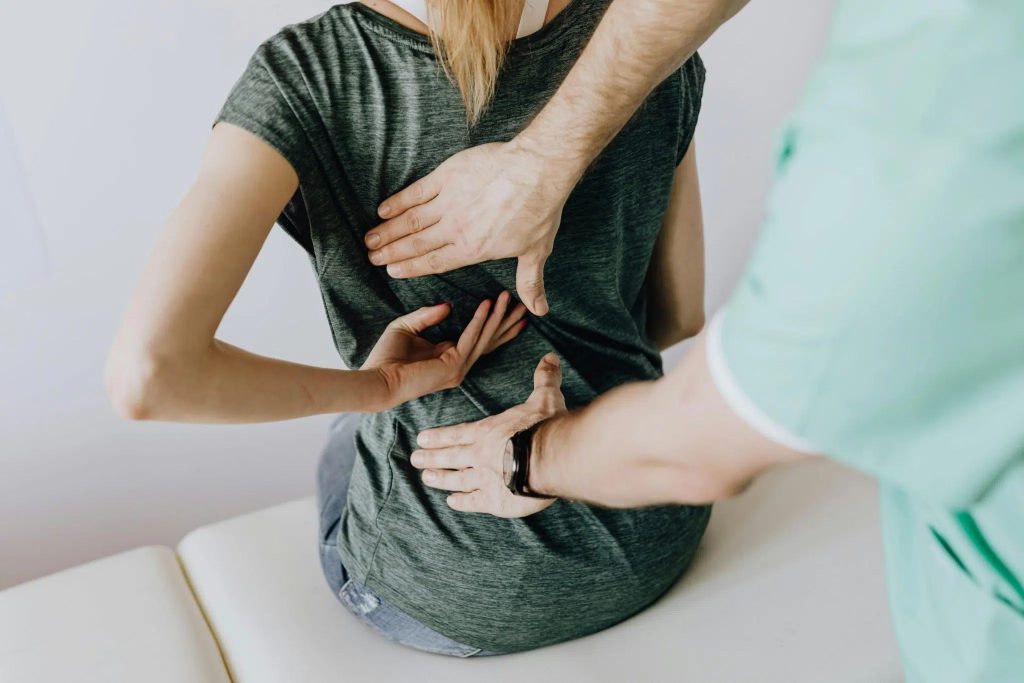
When to Visit a Chiropractor For Scoliosis Care
How Much Does Scoliosis Care Cost in Singapore?
The cost of scoliosis care in Singapore can vary depending on the initial assessment, whether diagnostic imaging is required, and the follow-up care recommended for the individual.
For general chiropractic care, adjustment sessions are listed at S$90 to S$135, which may include warm-up exercises, chiropractic adjustments, and traction. If X-rays are required, these are typically S$120 through a nearby imaging centre.
Since scoliosis care may involve different assessment and follow-up requirements, patients should confirm the total expected fees before beginning a care plan.
Chiropractic Therapy for Scoliosis
Chiropractic therapy for scoliosis focuses on supporting how your spine moves and functions in daily life. Rather than aiming to change the structure of the spine completely, care often centres on improving comfort, mobility, and balance so that you can carry out everyday activities with greater ease.
Chiropractic Adjustments
Chiropractic adjustments involve gentle, controlled movements applied to specific areas of the spine. These adjustments aim to support joint mobility, ease muscle tension, and reduce strain that may build up around the curved segments.
Posture Correction
Posture plays an important role in how scoliosis affects your body over time. Chiropractors may provide guidance on proper posture, helping you become more aware of how you sit, stand, and move throughout the day. Small changes in positioning can help reduce uneven stress on the spine.
Scoliosis Specific Exercises
Targeted exercises may be recommended to strengthen certain muscle groups while stretching others. These movements are designed to support spinal balance and improve flexibility in a way that complements your daily routine.
Stretching and Myofascial Release
Tight muscles often develop on one side of the spine. Stretching techniques and soft tissue work may help ease tension and support smoother movement across the back and surrounding areas.
Lifestyle and Nutritional Advice
Daily habits can influence how your spine feels. Advice on activity levels, ergonomic set up, and general wellbeing may be offered to support long term comfort.
Patient Education
Understanding your spinal curve can help you make informed decisions about self care. Chiropractors may explain how scoliosis affects your posture and movement, while outlining realistic ways to manage symptoms over time.
Chiro Studio’s Approach to Scoliosis Care
At Chiro Studio, scoliosis care is shaped around your individual structure, daily habits, and comfort level. The focus is on understanding how the spinal curve influences movement and posture, then building a plan that supports practical, long term management.

Detailed Assessment
Your first step typically involves a thorough assessment of posture, spinal movement, and muscle balance. This helps identify areas of tension, restriction, or imbalance that may contribute to discomfort. By understanding how your body moves as a whole, care can be tailored more precisely to your needs.

Gentle, Non Invasive Techniques
Care may include controlled spinal adjustments, soft tissue techniques, and guided exercises designed to support mobility and ease muscle strain. These approaches aim to work within your comfort level, focusing on gradual improvements in movement and balance.

Goal Oriented Management
Management plans are discussed with you clearly, taking into account your daily activities, lifestyle demands, and personal goals. Whether you are aiming to reduce discomfort, improve posture awareness, or maintain flexibility, the plan is structured to support steady progress over time.
Learn More Today
For further information on how chiropractic care can help address your disc issues, or to discuss how we can assist with slipped disc conditions, contact us today!
EXCELLENT Based on 164 reviews
 Posted on Google
 Norliza Mohd Samsuri29/11/2023I feel better when sleep and my energy was improved the staff are friendlyPosted on Google
 Qing Yao Fang25/11/2023Best Chiro in town!! Thank you!Posted on Google
 Nga Lai Amy CHAN24/11/2023I doubted if chiropractor could resolve my long term back pain and shoulder pain but it really did! I am so happy that I don’t have to rely in weekly massage anymore.Posted on Google
 Sandy Leung24/11/2023My lower back no more pain and shoulder can move better then before.Posted on Google
 Meeya Song14/11/2023My husband and I have been going to Chiropractor Studio for over 6 months now and today we just had our last session before our relocation (very upset coz we would’ve definitely continued). It has been an absolute pleasure to be treated by the professional and lovely chiropractors — Mabel and Qi Wei. Along the treatment journey, we have seen amazing improvements in our postures, shoulder tightness, back soreness and energy preservation in general. They take very scientific and holistic approach, and make sure to get to know your health concerns very well before presenting the most suitable treatment plans specifically tailored for you. The supporting team is also super friendly and always make you feel comfortable and accommodated at the studio. They are attentive and respond fast on WhatsApp. Chiropractor Studio is simply the BEST!Posted on Google
 JOEY CHAN10/11/2023It’s always a welcoming atmosphere at the studio! Chiropractors are professional and work with us on our personal goals. Everyone in the team is also understanding, responsive and accommodating. Also, cool seasonal decorations from time to time.Posted on Google
 Jasmine Kwok05/11/2023I started my treatment with them a couple of months ago. I notice my overall posture and balancing have improved. The doctors in Chiropractic studio are knowledgeable, helpful and not forgetting all the staff, everyone are so amazing. Love you all.Posted on Google
 Justin Chan03/11/2023Very professional and friendly team. Always makes you feel welcomed and always accomodating.Posted on Google
 rebekah03/11/2023Awesome team and even better adjustment sessions! I’ve had back and shoulder pains for the longest time, and the sessions helped immensely in targeting them. I’ve completed a more intense twice-a-week program, and now just go back twice a month for “maintenance”, and the sessions work wonders even during my busiest period at work when my body is tortured by whole days of sitting down in front of the laptop!Posted on Google
 MrsAfian xxianidaxx02/11/2023Have been going to them since i was pregnant their adjustment really helped especially during pregnancy...really relieved some sores n aches during that period highly reco.I
Your Trusted Chiropractors in Singapore
- 150+ 5-star Google reviews
- 10 years experience with 2,000+ patients
- Published author about back pain
- No quick "conveyor belt" appointments
- Transparent about prices
- Specialist training for pregnant mothers
- Tailored videos & advice for faster results
Meet Our Qualified Scoliosis Chiropractor

Jason Rutkauskas
Doctor of Chiropractic
Originally from Florida (USA), Jason has been serving the Singapore community for nearly 10 years. He holds a Doctor of Chiropractic degree and holds an active registration in Virginia. He believes in staying active and working on function to get the most out of our lives!
As a chiropractor in Singapore, he is well experienced with patients suffering from back or leg pain, headaches, scoliosis and chronic strain issues. He has completed further courses in Thompson, Sacro-Occipital Technique (SOT), Functional Range Conditioning (FRC), and is Webster certified.
His specialised analysis has created a following of athletes, from Brazilian Jiu-Jitsu, Boxing, Muay-Thai, running, and cycling!
Jason is a father and avid martial artist, with a joy for teaching.
Frequently Asked Questions about Scoliosis Chiropractic Care
Can chiropractic help with scoliosis?
Yes, chiropractic care can be a helpful part of a comprehensive scoliosis management plan. While it cannot cure scoliosis, it can help to:
- Reduce pain and discomfort associated with scoliosis
- Improve spinal alignment and posture
- Enhance flexibility and range of motion
- Strengthen core and back muscles, promoting stability
- Slow the progression of the curvature in some cases
- Improve overall quality of life
Can a chiropractor realign your spine?
Chiropractors cannot wholly “realign” a spine with scoliosis, as the curvature is structural. However, chiropractic adjustments and other techniques can help improve spinal alignment, reduce nerve interference, and promote better overall function.
Is physiotherapy or chiropractic better for scoliosis?
Both physiotherapy and chiropractic care are beneficial for managing scoliosis. Physiotherapy focuses on strength, flexibility, and posture, while chiropractic care improves spinal alignment. A combination of both, along with other interventions, may be recommended depending on individual needs.
Can you fully heal scoliosis?
In most cases, scoliosis cannot be fully “healed” or reversed. However, with appropriate management, its progression can be slowed or halted, and its impact on daily life can be minimised. Chiropractic care, along with other interventions like physiotherapy, bracing, and in severe cases, surgery, can help individuals with scoliosis live active and fulfilling lives.
How do I know if I need chiropractic care for scoliosis?
If you notice uneven shoulders, ongoing back discomfort, or changes in posture, it may be helpful to seek an assessment. A chiropractor can evaluate how your spinal curve affects movement and discuss whether care is suitable for your needs. If you would like to understand our background and approach before booking, you may visit our About Us page for more information.
What is the cost of chiropractic in Singapore for scoliosis care?
The cost of chiropractic in Singapore can vary depending on the type of consultation, assessment, and follow up sessions recommended. Fees are typically explained clearly before care begins so you can plan comfortably. If you would like specific pricing details or clarification, please contact us directly for up to date information.
Where can I learn more about your clinic before booking an appointment?
Before scheduling a visit, you may explore our services, approach, and practitioner background online. Our website provides an overview of what to expect during assessment and ongoing care. If you have further questions or would like to arrange a consultation, please contact us for assistance.

Clinic Location